| Shot | What the frame shows | Planning use |
|---|---|---|
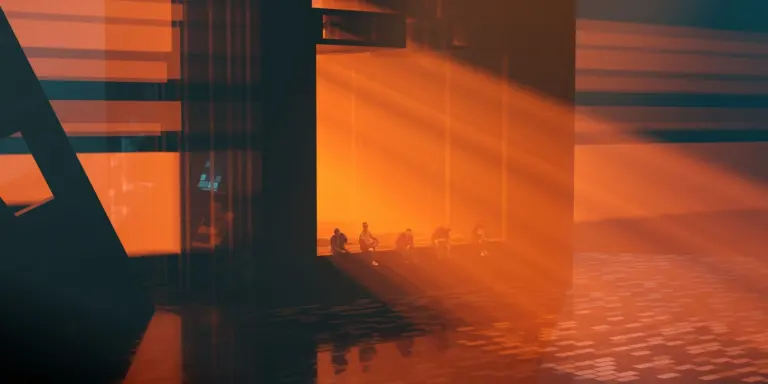
| Extreme wide shot | Makes the subject appear small against their location | Choose it when the place or the character’s isolation matters more than facial detail. |
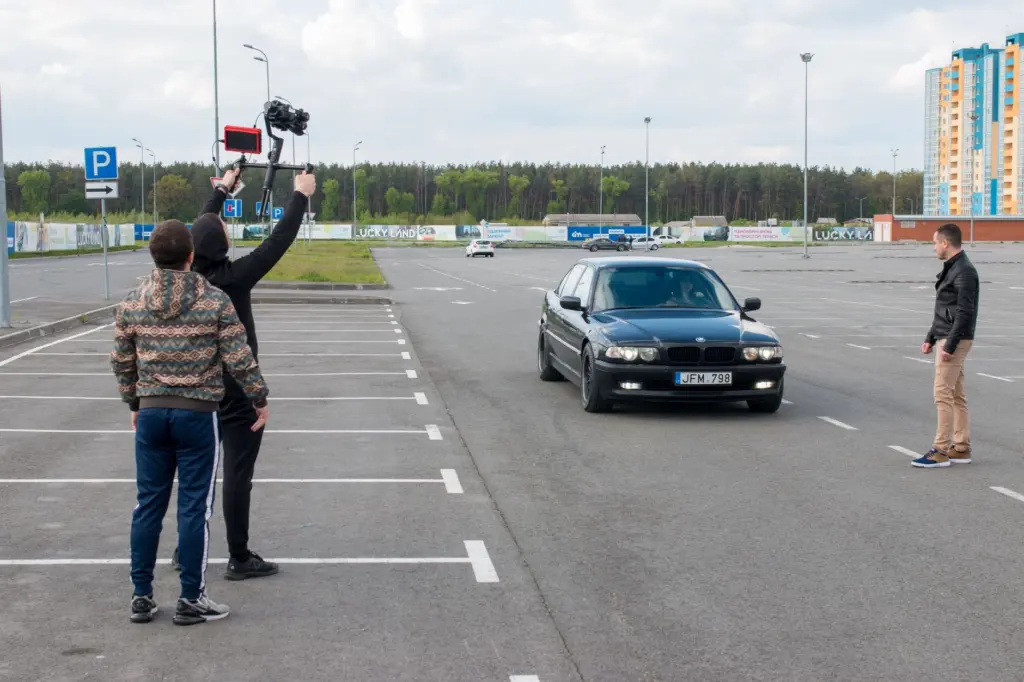
| Wide shot | The subject with a good deal of space above and below | Use it to show where people stand in a scene. Placed at the start of a scene, it works as an establishing shot. |
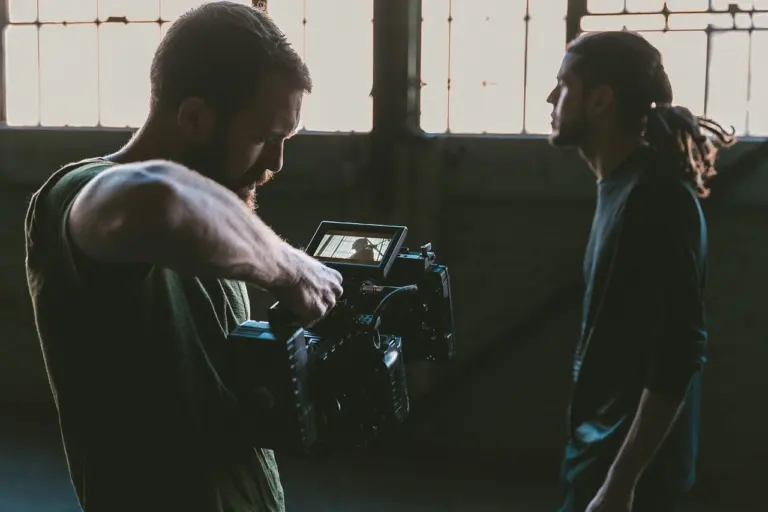
| Medium shot | Roughly the waist up and through the torso | Treat it as the buffer shot in dialogue scenes, between wider and tighter coverage. |
| Close-up | Fills the frame with part of the subject, often the face | Save it for emotions and reactions. It also serves as a cutaway. |
| Over-the-shoulder | The subject seen from behind another character’s shoulder | Add it to conversation scenes for orientation and emotional connection. |
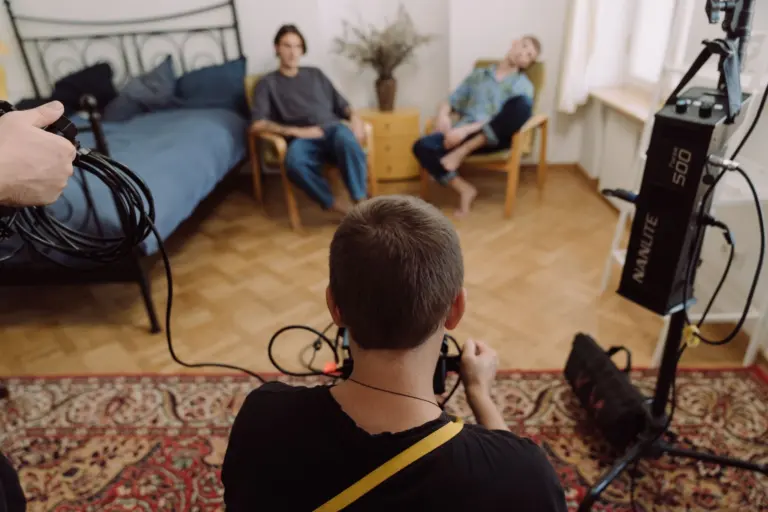
| Two-shot | Two characters featured in one frame | Plan it when a pair must share the frame without a separate single for each. |
Framing descriptions follow Psaroloco’s guide to camera shot size and StudioBinder’s guide to camera shot frames.
The main types of shots in film are defined by how much of the subject the frame shows, how the camera is angled and whether it moves. Pick each for the story job it does, then list it before set.
Shot choices sit inside the wider process of how is an independent film made, where framing details belong on a shot list prepared well before you arrive on set.
Shot size and what it does to a scene
Shot size is how much of the setting or subject is displayed within a given frame, according to Psaroloco. Each step tighter trades context for intimacy, so the size you choose decides whether the audience reads a place, a relationship or a feeling.
Wide and establishing shots
A wide shot should keep a good deal of space above and below the subject, which is what lets the audience see the surroundings as well as the person. An extreme wide shot goes further and makes the subject appear small against their location. That suits a scene about isolation or about how large a place is, and it suits poorly a scene that depends on a performance.
An establishing shot is a long shot at the start of a scene that shows things from a distance. The two terms are not interchangeable, because one names a size and the other names a job. On a shot list, write the size you need and note separately that it opens the scene.
Medium shots
A medium shot frames roughly from the waist up and through the torso, and it can often serve as a buffer shot in dialogue scenes. Its value is flexibility: it keeps gestures visible and keeps the actors’ faces readable, so it is a safe middle option when you are unsure how tight a conversation needs to go.
Close-ups
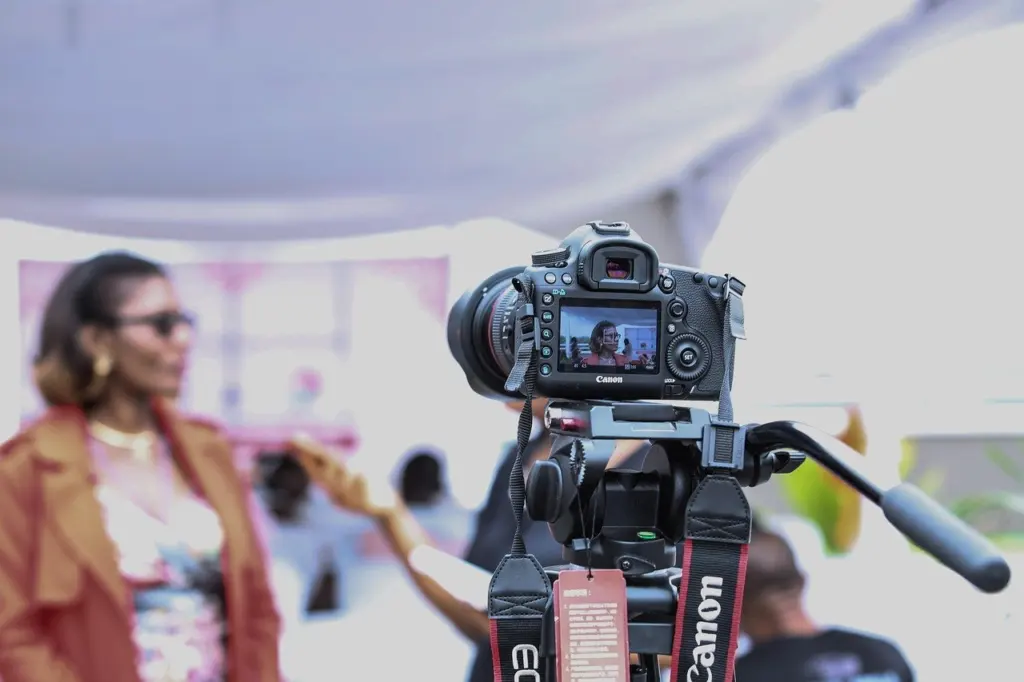
The close-up fills the frame with part of the subject. Psaroloco’s rule of thumb is that it is time for a close-up when you want to reveal a subject’s emotions and reactions. Depositphotos adds that facial close-ups depict a character’s reaction, such as shock, horror, joy or surprise.
Close-ups are also used as cutaways, and for monologues. The practical decision is placement: because the shot is so tight, spend it on the beat where the audience needs to see what a character feels, and use wider sizes for everything that only needs to be understood.
- Choose a wide shot when the audience needs to know where people are, or when the setting is part of the point.
- Choose a medium shot for ordinary dialogue where gesture and face both matter.
- Choose a close-up when a reaction or emotion is the information of the moment.
Planning coverage before you reach set
Framing is the placement and position of the subjects in your shots, and StudioBinder advises capturing those framing details on a shot list well before you arrive on set. Deciding at the desk what each shot is for saves time when the crew and actors are waiting.
Group framings repay planning. StudioBinder describes a two-shot as a camera shot with two characters featured in the frame, and it calls shooting three singles just to show every character an enormous time drain. When several people are in a scene, ask whether one framing can carry them before you commit setups to separate singles.
The over-the-shoulder shot shows your subject from behind the shoulder of another character. It helps provide scene orientation and connects the characters on an emotional level, and because it emulates perspective it is common in conversation scenes. If a dialogue scene needs the audience to feel the two people facing each other, this is the shot to list alongside the medium coverage.
Composition inside each of these frames is a separate decision, covered in Mastering The Rule Of Thirds In Cinematography: Simple Composition Tips For Stronger Shots (2026).
Camera angles and the story they tell
Camera angle changes how the audience judges the person in the frame, even when the shot size stays the same. Katalist describes the main options, and each one carries a clear implication for the scene.
- Eye level places the camera at the same height as the subject’s eyes. It is the neutral baseline against which the other angles read.
- High angle can make people or things seem small, weak or vulnerable. Use it when a character is losing control of a situation.
- Low angle makes people and objects appear larger, stronger and more important. Use it to give a character authority, and avoid it where you want them to feel ordinary.
- Dutch angle tilts the camera sideways, creating a slanted view that can make viewers feel uneasy or disoriented. It is a strong signal, so reserve it for scenes where the unease is intended.
Because angles shift how viewers perceive power, write the angle on the shot list next to the size. A close-up at a low angle and a close-up at eye level tell different stories about the same face.
Camera movement: dolly, tracking and handheld rigs
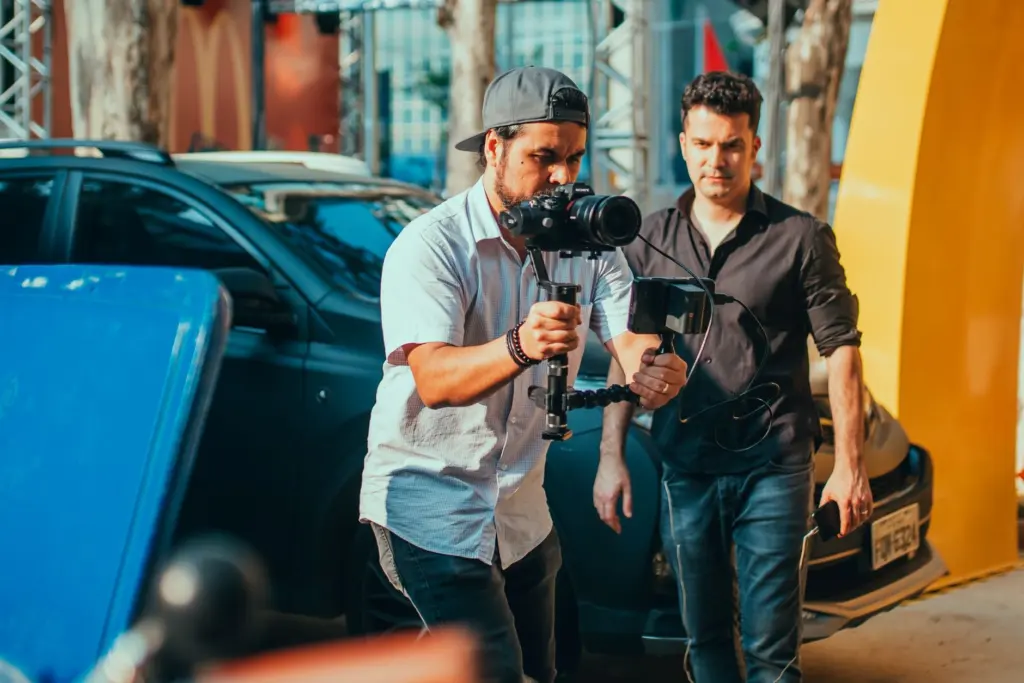
On a dolly shot the camera is placed on a wheeled platform called a dolly and pushed along tracks, according to Katalist. That lets the camera move toward or away from a subject and creates a sense of depth that a locked-off frame cannot give. It is also the movement that needs the most advance planning, since tracks have to be laid and the move rehearsed.
Tracking shots follow the movement of the subject using a dolly or a Steadicam, as Depositphotos explains. They need to be well-timed and choreographed by both the camera operator and the actors within the frame. Schedule rehearsal for them, and do not treat them as something to improvise once the crew has moved on.
Movement should serve the scene rather than decorate it. If you want the viewer drawn toward a character, a move toward them achieves that, and if the scene is static, a locked frame is often the stronger choice. For how these choices connect to the larger craft of visual storytelling, see What Is Cinematography? The Essential Guide To Visual Storytelling (2026).
Frequently asked questions
How much of the subject does a close-up frame?
A close-up typically frames a character from the shoulders to the top of the head, per Depositphotos. Extreme close-ups go tighter, but the guides used here define the standard close-up this way.
Is a wide shot the same as an establishing shot?
No. A wide shot is a shot size, while an establishing shot is a technique, as Psaroloco puts it. Any wide shot can establish a scene when it opens the sequence.
Where do the medium close-up and medium wide shot sit?
The medium close-up frames the subject from roughly the chest up. The medium wide shot, also called a medium long shot, frames from roughly the knees up. Both sit on either side of the standard medium shot.
How is a dolly shot different from a tracking shot?
Katalist notes that tracking shots are similar to dolly shots but do not use tracks. A dolly shot depends on a platform pushed along laid tracks, while a tracking shot follows the subject by other means, such as a Steadicam.