Short film ideas for students work best when they need a small cast, light gear and a single location, so the story fits a shooting day. Choose one theme and keep the story to a few minutes.
The concepts below are sorted by cast, gear and location. They also sit inside the wider workflow of how is an independent film made, from idea to finished cut.
What makes a short film shootable in a day
A student short fits a shooting day when the story absorbs the limits, not the schedule. The New York Film Academy advises focusing on stories that work in a few minutes. It also warns that 40 complicated shots are not feasible in a 10-12 hour production day. A concept that needs many complicated shots will struggle on the day, however good it reads on paper.
Script magazine gives the same advice from the writing side. Reduce locations, perhaps to one single place, pare the cast down (“Two are plenty”), limit the passage of time or let the story play out in real time, and explore only one theme or idea. Each cut removes a scheduling problem before anyone picks up a camera.
Shorter also tends to be smarter. The same article argues that a 10-minute film will find a wider audience than a 30-minute film, so a tight runtime helps the film as well as the schedule. Shorts belong entirely to the writer-director, with no studio demands. That freedom is useful in a class setting, where the point is to try a technique and finish. NYFA describes shorts as a stepping stone for emerging talent and a way to prove a concept while using fewer resources and limiting costs.
Filtering ideas by cast, gear and location
Each idea in the tables below is tagged by cast size, gear and location, so a team can discard anything that does not match what it already has. Short Movie Club suggests starting with one element and building the story from it. That element can be a theme, a cast or a location you already have access to. Start from your strongest resource and let the others follow.
Cast size
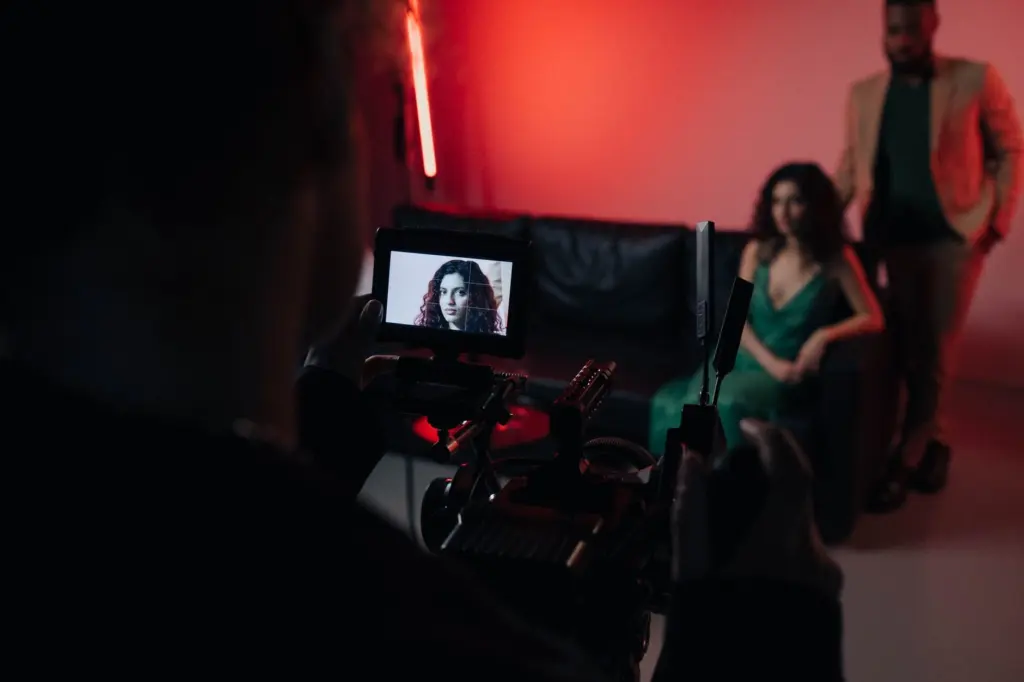
Solo and duo films are the safest choice for a first shoot: fewer schedules to align, fewer people to feed, and every performance gets rehearsal time. Short Movie Club’s sofa prompt shows how far a small cast can go: a short film on one sofa with two actors. Choose a small group only when the idea depends on a group dynamic, such as a confined-space argument. Reliable attendance matters more than acting experience in all of these.
Gear and light
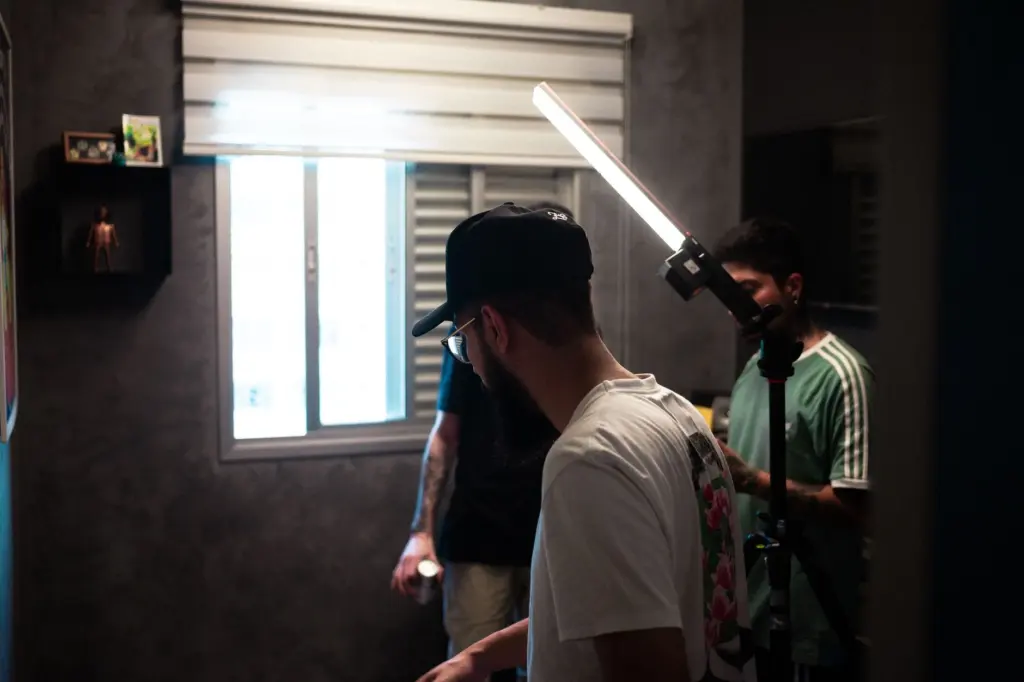
NYFA recommends versatile, cost-effective cameras such as entry-level DSLR or mirrorless bodies, and natural light or affordable lighting kits. A smartphone is useful as a scouting tool: NYFA notes that a phone or cinematography app can frame shots on location before the camera comes out. Ideas tagged “phone or entry-level camera” below are built to survive modest equipment. Ideas that rely on light, such as the noir and light-study concepts, need a practical lamp or a small kit.
Location
Pick spaces you can book without a permit negotiation: a dorm room, a classroom after hours, a hallway or a car. Interiors protect the schedule, and one location keeps the crew in one place all day. Public places such as cafes and stores add atmosphere but need permission, so treat them as second-tier choices.
Narrative ideas for dialogue and drama
These ten concepts are scene-driven stories that rely on performance and simple coverage. They suit a team that wants to practise blocking, eye lines and close-ups.
| Idea | Cast | Gear and location | Planning use |
|---|---|---|---|
| The Lost Phone | Solo | Phone or entry-level camera; any room | A character reads found messages and makes a choice. Good for close-ups and sound. |
| Late Library Confession | Duo | Practical lamps; library or classroom after hours | A secret emerges in conversation. Easy lighting, dialogue-led. |
| Bus Stop Decision | Solo or duo | Ambient sound, single long take; a bus stop | A commuter decides to stay or go. Trains subtle reaction shots. |
| Roommate Swap | Duo | Dorm room; natural light | Chores swapped and clashes follow. Practice for blocking and comic timing. |
| The Receipt | Solo plus a customer | Convenience-store set | A cashier finds a note on a receipt. Small actions reveal character. |
| One-Scene Breakup | Duo | Park bench; natural light | A dialogue scene for pacing and emotional beats. Weather-dependent, so schedule it first. |
| The Elevator Game | Small group | Elevator or other confined space | Characters reveal lies. Builds suspense through editing. |
| Coffee Shop Swap | Duo | Cafe; natural sound | Orders are swapped by mistake and strangers meet. Needs permission to film. |
| The Quiet Protest | Solo | Phone camera; around campus | Tiny signs appear and people react. Works as a montage in natural locations. |
| The Last Exam | Solo | A classroom | A student opens an empty exam envelope. Plays on expectation and timing. |
The single-location, small-cast filter follows Script magazine’s advice on small stories and StudioBinder’s low-cost constraints.
Documentary, experimental and genre concepts
These concepts trade plot for form. They suit classes that want to test one technique, such as sound design, framing or editing rhythm, and they usually need fewer actors than the narrative list.
| Idea | Cast | Gear and location | Planning use |
|---|---|---|---|
| Short Peer Profile | One subject | Voice recording plus daily-life shots; campus | A minute-scale documentary that teaches interview technique and pacing. |
| Micro-Horror: The Knock | Solo | Dark room; sound design and shadow | Suspense from sound, with no effects needed. |
| Found Footage Project | Small group | Phones; any location | Shot to feel real. Teaches continuity and framing. |
| Silent Film Exercise | Duo | Any room; title cards | No dialogue, so expression and visuals carry the story. |
| Experimental Light Study | Solo model | Coloured lights, filters; dark room | Exposure, filters and editing rhythm. No script required. |
| Campus Memory Map | Interviewees | Phone and mic; one campus place | Short interviews cut together. Teaches montage and captions. |
| Mock PSA | Small group | Campus; natural light | A persuasive short on a campus issue. Teaches structure and a clear call to action. |
| Sci-Fi Micro: The Signal | Solo | One room; props and sound | Technology is implied through sound and props. Suggestion over spectacle. |
| Time-Lapse Portrait | One subject | Camera on a tripod; one setting | Follows an activity across hours. Teaches frame-rate choices and continuity. |
| Genre Mashup | Duo | Costumes and a practical lamp; one room | Comedy and noir in short scenes. Trains tone control and costume choices. |
The one-element approach follows Short Movie Club’s idea-generation advice, which also lists a particular genre as a useful starting constraint.
Constraint-driven ideas for the smallest crews
The last group of ten works backwards from a restriction. Each is built so that the constraint is the story, which makes decisions faster and the shoot shorter.
| Idea | Cast | Gear and location | Planning use |
|---|---|---|---|
| The Passenger Seat | Duo | Parked or moving car; real time | The whole film plays in a car with no second location. |
| The Pause | Duo | One room with two chairs | A question is asked and the film lives in the wait before the answer. |
| The Sofa | Duo | One sofa; natural light | All action stays on a single piece of furniture. |
| One-Take Hallway | Duo | Corridor; steady handheld or gimbal | A single continuous take, so rehearse the walk-through before the camera rolls. |
| Voicemail | Solo | Phone; quiet room | A character leaves a message that changes tone. Mostly a sound exercise. |
| The Group Chat | Small group | Phone screens; shared room | Reactions to messages tell the story. Little dialogue needed. |
| The Missing Key | Solo | Own flat or dorm room | A search in real time. Easy to shoot because everything is local. |
| Study Room Standoff | Duo | Bookable study room | Two people claim the same room. A confined space for escalating tension. |
| Noir Desk Lamp | Solo | Practical desk lamp; dark room | A single genre constraint, with light and shadow doing the work. |
| The Waiting Room | Small group | One room; ambient sound | Strangers wait and glance at each other. Subtle performances. |
The car, two-chair and sofa concepts come from the same constraint logic as StudioBinder’s produce-able ideas and Short Movie Club’s sofa prompt.
StudioBinder notes that a tight idea can go from concept to finished cut in a weekend. That is a reasonable test for any entry on this list: if the team cannot picture the whole film in one place with a few people, cut something. Before shooting, How To Write A Screenplay: A Clear 8-Step Roadmap For 2026 shows how to turn the chosen idea into a short script.
Planning a short film on a budget
A low-budget plan is a sequence of cuts and backups. Work through it in this order:
- Pick one starting element. Choose the cast, location or theme you already own, then drop every idea that needs more.
- Plan the sound. NYFA says to keep sound in mind before filming begins, because poor sound limits emotional involvement. A quiet room beats a busy corridor.
- Test everything first. NYFA advises testing all gear before leaving for the set. Do this at the location.
- Schedule exteriors first. If it rains, the exterior scenes can move to another day. Keep a rain set, a backup location, and an interior cover set ready so a shooting day is not lost.
- Feed the crew. If actors and crew are unpaid, NYFA says to provide lunch and plenty of coffee.
The pitfall is overreach. Teams usually fail by adding a second location, a larger cast or a clever camera move, not by lacking equipment. If the group does want one deliberate move, keep it to a single shot and read How The Dolly Zoom Creates Cinematic Tension: A Practical 2026 Guide first, then rehearse it before the shoot day.
Frequently asked questions
What short film can students shoot in a day?
A two-person scene in one room, or a car-based film played in real time, running only a few minutes. Both avoid location changes and keep the shot list short enough for a 10-12 hour production day.
How many actors does a short film need?
Two characters are plenty, according to Script magazine, and a solo performer also works for sound- or light-driven concepts. Add a larger group only when the idea needs it.
How do I plan a short film on a budget?
Use fewer resources: natural light or affordable kits, an entry-level camera and a single location. Add a backup location for bad weather, and provide food if the cast and crew are unpaid.
Should a class film run closer to 10 minutes or 30 minutes?
Aim shorter. Script magazine argues that a 10-minute film will find a wider audience than a 30-minute film, and a shorter story is far easier to finish.