The dolly zoom effect appears in films when a camera moves toward or away from a subject while the zoom changes to keep the subject size constant. Filmmakers use the dolly zoom effect to change the background scale and to create tension quickly. Viewers feel unease because the perspective shifts while the subject stays fixed. This guide explains how it works and how they can make it reliably.
Key Takeaways
- The dolly zoom effect involves moving the camera toward or away from a subject while zooming inversely to keep the subject size constant, creating a unique shift in background perspective.
- Filmmakers use the dolly zoom effect to convey emotions like surprise, dizziness, or realization by breaking viewers’ spatial expectations and heightening tension.
- To create the dolly zoom effect, plan camera positions carefully, synchronize dolly movement with zoom speed, and maintain consistent focus and exposure for smooth results.
- The dolly zoom effect fits well in drama, horror, and commercials to signal internal changes or highlight products, but should be used sparingly to avoid distraction or gimmickry.
- Combining the dolly zoom with techniques like rack focus and sound design enhances its emotional impact, while careful editing preserves the effect’s natural flow and viewer engagement.
What The Dolly Zoom Is And Why It Still Grabs Viewers
The dolly zoom effect changes perspective while the subject size stays constant. A camera moves on a dolly and a lens zooms in the opposite direction. The technique changes background scale and depth cues. Directors use it to show surprise, dizziness, or sudden realization. Alfred Hitchcock first used a related idea in early films and later work by directors made the move popular. The dolly zoom effect grabs viewers because it breaks their expectation about space. Eyes expect parallax and depth to shift with camera motion. The dolly zoom effect removes that cue. That removal makes viewers look for meaning. The effect links a shot to emotion without words. Cinematographers can apply the effect in drama, horror, and action. The move also fits short-form video and commercials. It works with digital cameras and smartphone rigs today. They can match classic film looks by choosing focal lengths and controlling exposure. The dolly zoom effect still grabs viewers because it feels like a visual signal. Filmmakers use that signal to direct attention and to change mood instantly.
How To Create A Dolly Zoom: Step-By-Step Workflow
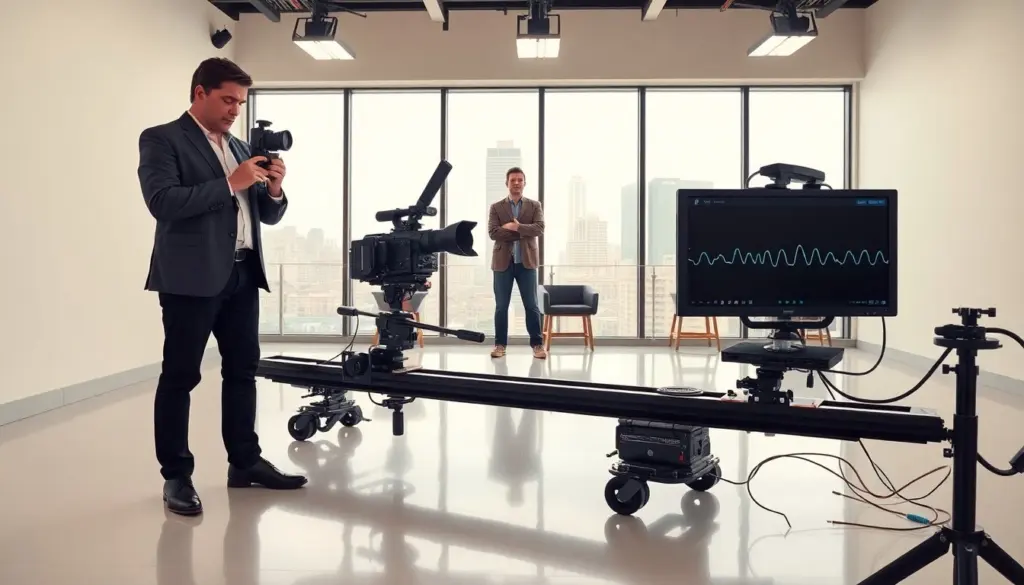
They plan the shot first. They pick a subject and a clear background. They mark camera positions on the ground. They set the camera on a dolly, slider, or a stable rig. They choose a lens with a zoom range. They frame the subject at the starting position. They roll the camera toward the subject while zooming out. Or they roll the camera away while zooming in. They adjust zoom speed to keep the subject size constant in the frame. They check focus and exposure during the move. They repeat the move and refine timing. They review playback and adjust camera path or zoom curve. They use simple light changes for mood or keep light constant for a clean effect. They consider sound design to enhance the visual tension. They test handheld or gimbal setups for smaller budgets. They keep the dolly path straight to avoid parallax errors. They aim for smooth motion and steady zoom to preserve subject size.
Creative Uses, Variations, And When To Use The Effect
They use the dolly zoom effect to signal internal change. They use it when a character notices a clue or when a scene shifts in tone. They use the effect for horror to make the room feel larger or smaller. They use it in drama to show a sudden emotional break. They use the effect in commercials to highlight a product in a striking way. They combine the dolly zoom effect with rack focus for layered meaning. They try reverse dolly zoom where the background blur increases as the camera moves. They try subtle dolly zoom moves for small revelations. They try extreme moves for surreal moments. They avoid the effect when it will distract from dialogue or when it becomes a gimmick. They plan the effect into the edit to ensure cuts feel natural. They match camera movement and zoom speed across shots if they cut into a scene with multiple angles. They use color grading to unify the feel of the move. They add a low-frequency sound or music swell to heighten the visual change. They test the dolly zoom effect on small scenes before using it in key moments. They keep the move rare to preserve its impact.