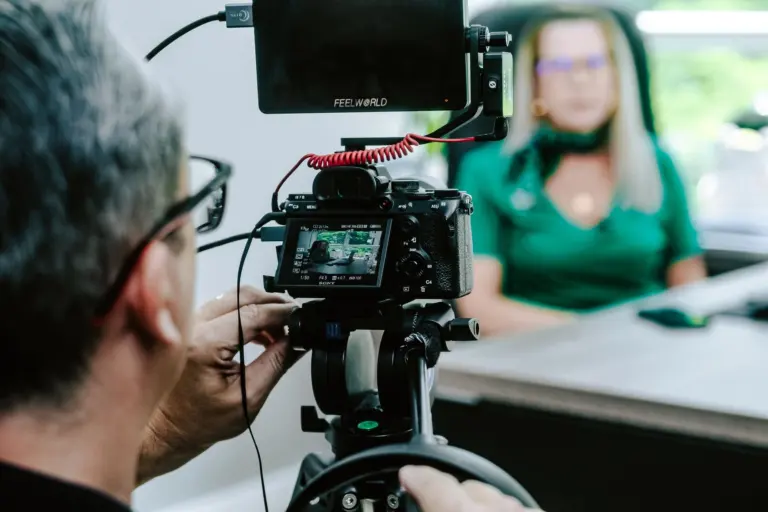
A film production assistant is an entry-level crew member whose duties change by department, from set logistics to running a teleprompter. Start as an Additional PA, stay reliable, and ask clear questions.
For context on where PAs sit in a full shoot, the Film & TV hub covers how is an independent film made and the stages around set work.
What a production assistant does on set
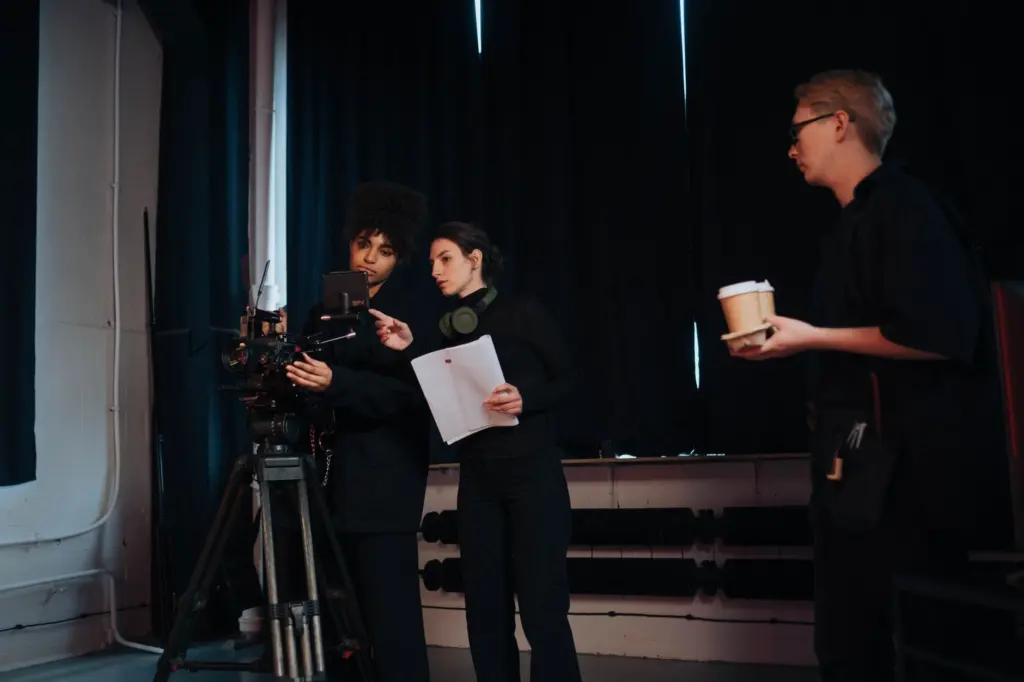
The most common misunderstanding is that a production assistant only fetches things. Job listings describe a wider range. A freelance news posting from Paramount lists operating the teleprompter and assisting technical staff during live or recorded broadcasts, alongside newsroom errands and set logistics as needed. A concert-touring listing asks for food and beverage delivery to the band or talent and for stage and backstage areas kept clean and free of clutter. On a VFX production, a production manager role manages production assistants, coordinators and line producers, so PAs work inside a clear management structure.
| Common assumption | What listings show | Planning use |
|---|---|---|
| A PA only fetches things | News production: operate the teleprompter, assist technical staff during live or recorded broadcasts, run newsroom errands, help with set logistics | Learn the equipment and routines of the department you join, not only the errands. |
| PA work is the same everywhere | Concert touring: coordinate and deliver food and beverage to talent; keep stage and backstage areas clean and free of clutter | Read each listing’s duty list and apply where it matches your strengths. |
| PAs answer to nobody in particular | VFX production: a production manager manages PAs, coordinators and line producers | Ask on arrival who your supervisor is and report to them. |
These duties come from a freelance news PA posting and from production assistant listings on a crew job board.
The practical lesson is to treat every small task as part of the department’s workflow. Handing over a drink or clearing a pathway is the job, and so is understanding why the department needs it done now.

PA types and the misunderstandings they cause
An industry writer on Substack separates PAs into Set PAs, Office PAs, Department specific PAs and Commercial PAs, and describes the position as usually entry level, with variation by type. Several wrong assumptions follow from treating these as one job.
- “Every PA works on the set floor.” Office PAs are a separate type from Set PAs. Check the listing title before you accept, so you know whether you are heading to a set or an office.
- “There is one entry point.” The same writer says the real entry-level PA job is the Additional PA position. Additional PAs are usually set PAs, but they can also be day-players in other departments.
- “Department PAs are a different career.” Camera PA and Art PA roles appear as possible next steps after Additional PA work, so department-specific work is better seen as a later stage of the same path.
Getting your first PA job
The most direct route is Additional PA day work, because it is the entry point the evidence points to. Work through these steps in order.
- Aim at Additional PA and day-player listings. Search crew job boards for production assistant postings and read the duty list before you apply.
- Accept department day-player work. Because Additional PAs can work in other departments, a day with the camera or art team is still PA experience.
- Make each day count. According to the same Substack post, if you impress the right people you will be asked back for more days. That is how a single booking becomes a network.
- Keep a short record. Note who supervised you and what you handled, so you can follow up politely and describe your experience accurately.
Set etiquette and the first assistant director
Set etiquette is mostly about not slowing other people down. The first assistant director is the person most affected by delays. An industry essay in Fusion Magazine says the first AD’s main responsibility is scheduling the whole shoot, that it is the first AD’s job to keep everything on time, and that the first AD reports to the producers.
For a new PA, that means punctuality and clear communication protect the schedule that the first AD answers for. The same essay says treating fellow crew members kindly and respectfully is very beneficial to the work process. Courtesy is therefore a practical habit, not a nicety. Be brief, be polite, and do what you said you would do.
Day-one checklist
Day one goes better when the basics are settled before you arrive. This list is general preparation, so adjust it to what your call information says.
- Confirm your supervisor. Learn who you report to and which department you are assigned to before the day starts, or ask as soon as you arrive.
- Read the call information. Check where to go, when, and any contact details you were given. Plan your route so lateness is not a risk.
- Pack simply. Bring a charged phone, something to write with, water and food. Carry only what you need quickly so you are never fumbling through a large bag.
- Dress for work, not for attention. Wear comfortable, practical clothes that suit the weather and a long day on your feet.
- Ask one clear question at a time. A direct question to the right person prevents mistakes better than a guess.
- Be kind to everyone. Treat crew, cast and visitors respectfully, because that is the behavior people remember when they decide who to call back.
- Write it down afterward. Record what you did and who supervised you, then send a brief thank-you to the production office or your supervisor.
Career progression and where to keep learning
A sensible progression runs from Additional PA to a staff Set PA, and from there toward department roles such as Camera PA or Art PA. Each step comes from being asked back, so reliability is your main credential. Use quiet moments to watch how departments work and to learn their vocabulary.
If the camera department interests you, background reading helps you follow what you see. Our guide to Color In Cinematography: How To Use Color To Shape Mood, Story, And Style (2026 Guide) explains how color choices shape a scene, and Mastering The Rule Of Thirds In Cinematography: Simple Composition Tips For Stronger Shots (2026) covers framing. Knowing why a shot is set up a certain way makes you more useful when a department asks for help.
Frequently asked questions
| Question | Answer |
|---|---|
| Is there an age limit for becoming a PA? | The Substack author says there is no age limit on being a production assistant and points to crew who started in their 30s or later. That is one writer’s view, but it shows that starting later is not treated as a barrier. |
| What do freelance PAs earn? | Pay varies by production and posting. The Paramount freelance news PA listing in San Francisco gives a hiring salary of $18.67 with no time unit stated and says actual pay varies, so it is a single data point rather than a day rate. Confirm the rate and terms with the production office before you accept. |
| Will good work lead to promotion? | It can, but nothing guarantees it. The Paramount posting says cross-training and advancement opportunities may be available to freelance PAs who excel, but are not guaranteed. |