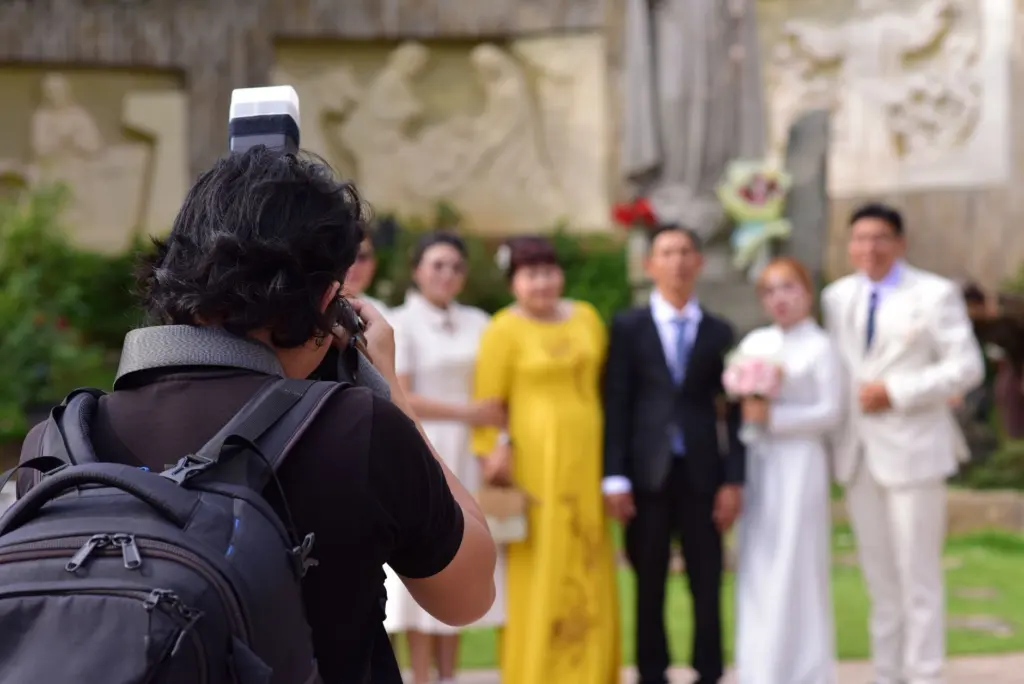
A wedding shot list is a list of the kinds of photos a couple wants, ordered by the day’s timeline. Share it with the photographer before the wedding, keep it to must-have moments and group combinations, and leave room for candid coverage.
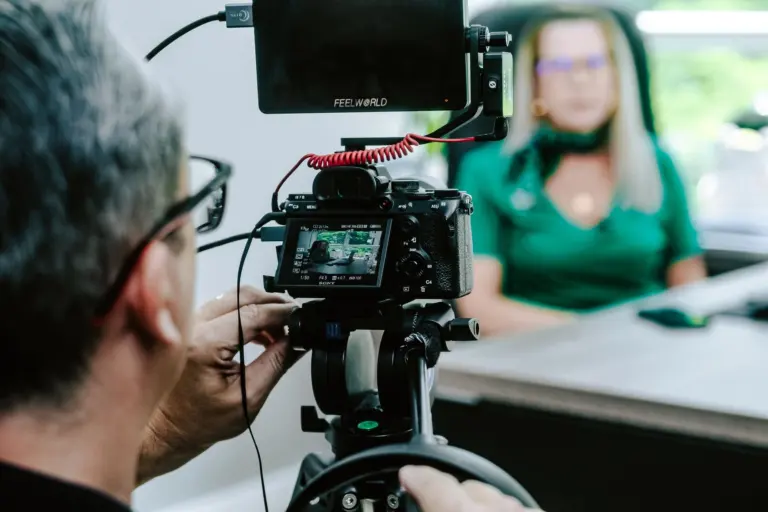
Photo coverage works best when it is planned alongside any film work, so a video production checklist belongs next to this list if a videographer is booked. The sections below follow the day in order, from getting ready to the reception.
How a wedding shot list works
A wedding shot list turns the couple’s priorities into a sequence the photographer can follow. Photographer Marcela Diaz describes it simply as a list of the kinds of photos you want, which is the right level of detail: moments and combinations, not a frame-by-frame script.
The mechanism has three parts. The couple names the images that matter most. The photographer places each one at the point in the day when it is easiest to capture. Everyone who has to turn up for a photo, from family to the wedding party, is told when and where. When a list fails, it is usually because one of these steps was skipped: the list was too long to prioritise, it was never matched to the timeline, or the people in the photos were never told.
- Keep it selective. Put the must-have moments and named group combinations on the list. Candid reactions and guest moments need room, so do not script them.
- Tie each item to a time. A shot that has no slot in the timeline tends to be dropped when the day runs late.
- Share it early. A list the photographer sees only on the day cannot influence the schedule.
Stage one: getting ready and detail shots
Shoot the details first. Photographer Lexi Foster advises letting the photographer photograph these items before anything else, because the day gets busy quickly once people arrive. She also suggests setting aside at least 1 hour of the wedding timeline for styling and photographing them.
Gathering the detail items
Collect rings, stationery and similar items 1-2 months before the wedding and keep them together in one box, so nobody hunts for them on the morning. The invitation suite is a standard detail photo, and having 2 copies makes it possible to get more variations of that shot.
Pre-ceremony window
Wedding planning app Honcho places venue shots, details and relaxed portraits in the 60-90 minutes before the ceremony. It treats the 30 minutes before the ceremony as the final prep window before guests arrive. Use that final window for the shots that cannot be repeated, such as the last moments of preparation, and leave the more controlled detail work for the earlier block.
Stage two: first look and ceremony
A first look is the one portion of the day built around a reaction, so plan its coverage carefully. The Marcela Diaz list includes the groom photographed on his own, waiting for the bride to arrive, before the reveal itself. The reveal then needs both partners’ reactions.
George Street Photo notes that this is where an associate photographer is useful, since a second shooter can cover each partner’s reaction while the lead photographer covers the other. The same guide suggests morning or early afternoon for a first look, which leaves the later hours free for other portraits. If your photography package has only one photographer, tell them which partner’s reaction matters most to you.
For the ceremony itself, put the moments that cannot be repeated at the top of the list: the entrance, the vows, the rings and the kiss. A second angle on those moments is where a second photographer or a videographer earns their place. Agree before the day who stands where, so the photographer and any videographer are not in each other’s frame.
Stage three: family and group portraits
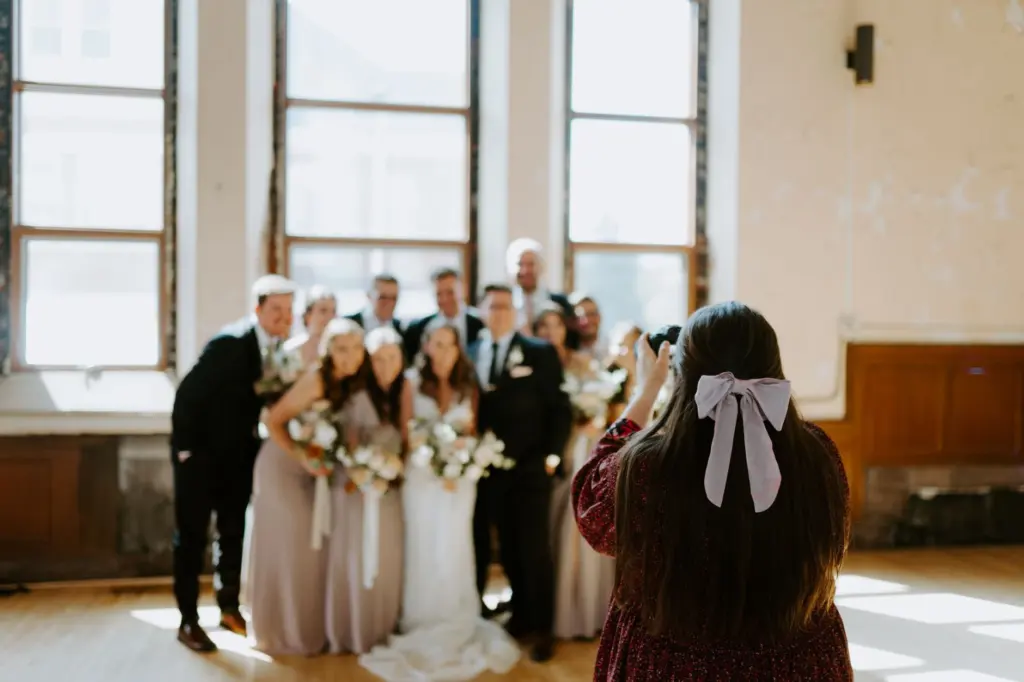
Family formals go best when they are planned as a short list of named combinations rather than a free-for-all. Honcho calls the period immediately after the ceremony usually the best time for family formals and couple portraits, because everyone is already together and dressed. George Street Photo gives mid-afternoon as the time of day for the immediate family shot. Which of these fits depends on when your ceremony falls, so let the ceremony time set the slot.
Group combinations to list
- Family. Poster Jack’s checklist lists the bride and groom with parents, and the bride and groom with family, as separate entries. Keep them separate so the photographer can release people as each combination is done.
- Wedding party. The bride and groom with all members of the wedding party is a standard entry in the Marcela Diaz list.
- Bridesmaids. The same list has the bride with each bridesmaid individually, and the bride with all the bridesmaids together.
Getting people to the right place
Marcela Diaz advises photographers to ask the couple which kinds of family photos they want before the day. Couples should answer in specific terms: name the combinations and flag any family situation that affects who stands together. George Street Photo adds that the family should be given a general timeline of where to be and when, which keeps the formals short.
Couple portraits and reception coverage
Couple portraits share the post-ceremony slot with the family formals, so decide on the order in advance. Photograph the family combinations first so relatives can go to the reception, then spend the remaining time on the couple alone. Choose the portrait styles you like from the photographer’s existing work and put those few on the list, instead of a long catalogue of poses.
For the reception, George Street Photo points to dusk or sundown for reception photos, which is worth knowing when you set the order of the evening. If the light at that time suits the portraits you want, schedule a short break from the reception to use it. Then list the reception moments that matter to you, such as speeches, the first dance and the cake, and name any guests who must be photographed.
Photo and video timeline at a glance
The table below turns the timing guidance into a sequence you can adapt. It gives windows relative to the ceremony or time of day, not fixed clock times, because ceremony times vary.
| Stage | Timing | Planning use |
|---|---|---|
| Venue, details and relaxed portraits | 60-90 minutes before the ceremony | Schedule the detail photos and relaxed portraits here, with the items already boxed. |
| Final prep | 30 minutes before the ceremony | Reserve for the last getting-ready moments, before guests arrive. |
| First look | Morning or early afternoon | Pick this if you want portraits finished before the ceremony. |
| Family formals and couple portraits | Immediately after the ceremony | Keep the family list short and call the groups in order. |
| Immediate family | Mid-afternoon | Suits a ceremony later in the day, with the family told the time in advance. |
| Reception photos | Dusk or sundown | Use the evening light for portraits and reception shots. |
Timing windows are drawn from Honcho’s checklist and George Street Photo’s shot list guide.
Adding video
A shot list that covers both photo and video should use a shared timeline rather than separate timelines for each. Give the videographer the same list and the same family timeline, and mark the key moments, such as the vows, the first kiss and the first dance, where both need a clear view. Share the plan with both before the wedding so each knows where the other will stand. Filmmakers curious about effects work that sits outside normal wedding coverage can read When Was Green Screen Invented? A Brief History From Matte Paintings To Digital Chroma Key (2026).
Template and sharing the list with your photographer
A digital spreadsheet is a practical way to build the list. Honcho describes it as one of the best ways to set up a wedding photography shot list, and its template can be copied to your own Google account, edited and shared with your photographer. Because both of you can edit it, changes reach the photographer without a new email.
If you prefer paper, Poster Jack offers a printable checklist designed for the couple to work with the photographer, with a space for the photographer to check off each shot. That makes it a good option for the morning of the wedding, when you want to see which shots are done.
Columns that make the list usable
- Moment or group. Name the shot or the exact people in it, such as the bride with all bridesmaids together.
- Stage and timing. Tie each item to a point in the timeline above.
- Priority. Mark which images are must-haves, so the photographer knows what to protect if time runs short.
- Notes and check-off. Leave a space for special requests and one for the photographer to tick off completed shots.
The Shot List Format: How To Structure Clear, Shoot-Ready Lists (2026 Guide) goes deeper on laying out columns and ordering rows, which is useful if you are adapting this list for a larger team.
Frequently asked questions
What shots should be on a wedding shot list?
Include the detail items, the getting-ready moments, the first look if you are having one, the ceremony highlights, named family and wedding party combinations, couple portraits and the main reception moments. Candid guest moments are best left to the photographer’s judgement.
How long should each part of coverage take?
Allow at least 1 hour for details, according to Lexi Foster, and plan relaxed pre-ceremony coverage in the 60-90 minutes before the ceremony. Longer blocks are not sourced, so ask your photographer how long the family formals will take.
How do I share a list with my photographer?
Send a spreadsheet that you can both edit, or a printable checklist with space for the photographer to check off shots. Send it well before the wedding so it can shape the timeline, and give your family a general timeline of where and when to be.
Should the list cover video as well as photos?
Yes, if a videographer is booked. Use the same timeline for both and mark the moments that happen only once so each can plan a clear view.