Hiring for a wedding or launch and unsure which word applies? In videography vs cinematography, videography documents an event with a small crew, while cinematography designs the image as part of a larger production.
The two roles sit inside a wider process, which is easiest to follow if you know how is an independent film made. Use this page to see where each role fits, then decide which suits your project or your career.
The core difference between the two roles
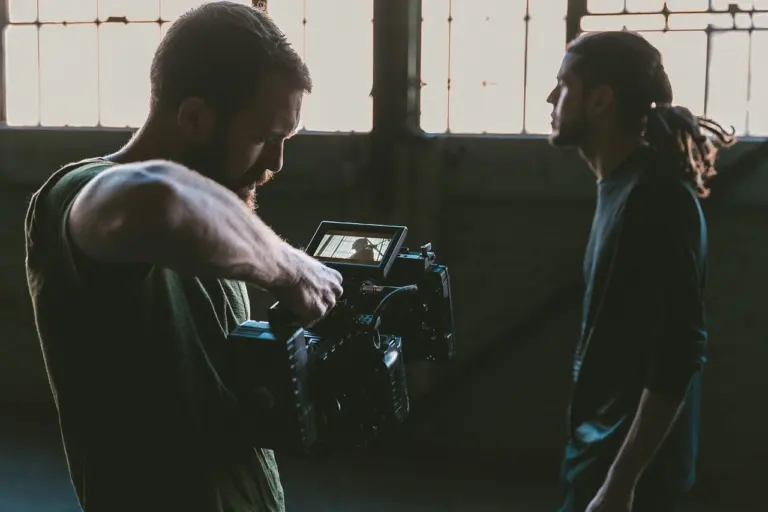
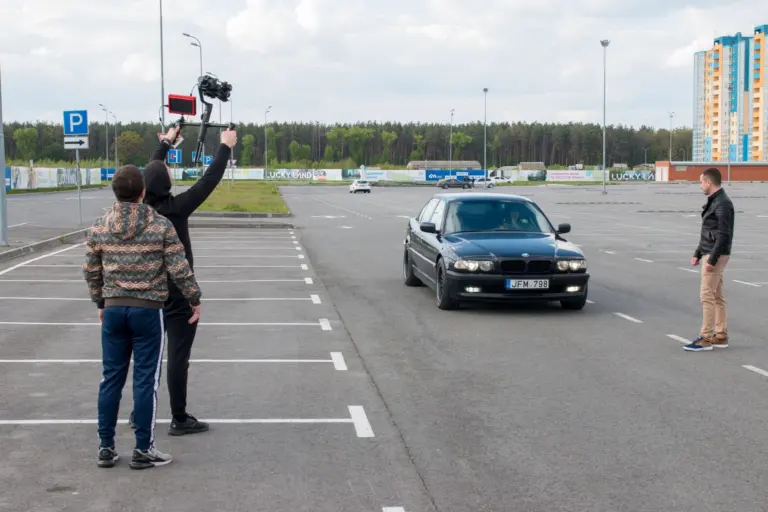
A cinematographer, often known as the director of photography (DP), is in charge of the camera and lighting crews on a movie set, according to Loveridge Digital. The job is making technical and creative decisions in service of the director’s vision. A videographer, by contrast, is a camera operator working with a small crew or alone, and generally controls the camera personally on a lower level of production.
That is the practical split: one role shapes the look of a production across a team, the other captures it hands-on with few people. The table puts the contrast side by side.
| Aspect | Videography | Cinematography | Planning use |
|---|---|---|---|
| Typical role | Camera operator, small crew or solo | Leads the camera and lighting crews; also called director of photography | Match the job title to the responsibility you actually need covered |
| Crew size | Far smaller crews, sometimes just one person | Typically a large crew on a movie set | A tiny team or solo budget points to videography |
| Camera handling | Generally controls the camera directly | On a large team, highly unlikely to touch the camera; a camera operator does | If you want to operate the camera yourself, check the role includes it |
| Decision areas | Camera control within a lower level of production | Lenses, composition, setting, arrangement, filters, camera movement, color grading | Pick cinematography when those choices need a dedicated owner |
| Origin of the terms | Work with video | Work with film | Treat as history, not a reliable guide to today’s jobs |
The comparison above draws on Loveridge Digital’s cinematography vs videography guide.
Reading the table as a ladder of quality would be a mistake. The columns describe different jobs with different team sizes, and either can be done well or badly.
Common misunderstandings
“The cinematographer is the person holding the camera”
On a large team that is often wrong. Loveridge Digital notes that the cinematographer is highly unlikely to touch the camera at all, because the camera operator, who works with the cinematographer, handles it. The cinematographer sets the visual plan and leads the camera and lighting crews. A videographer often does both jobs at once, which is why the one title can cover very different workloads.
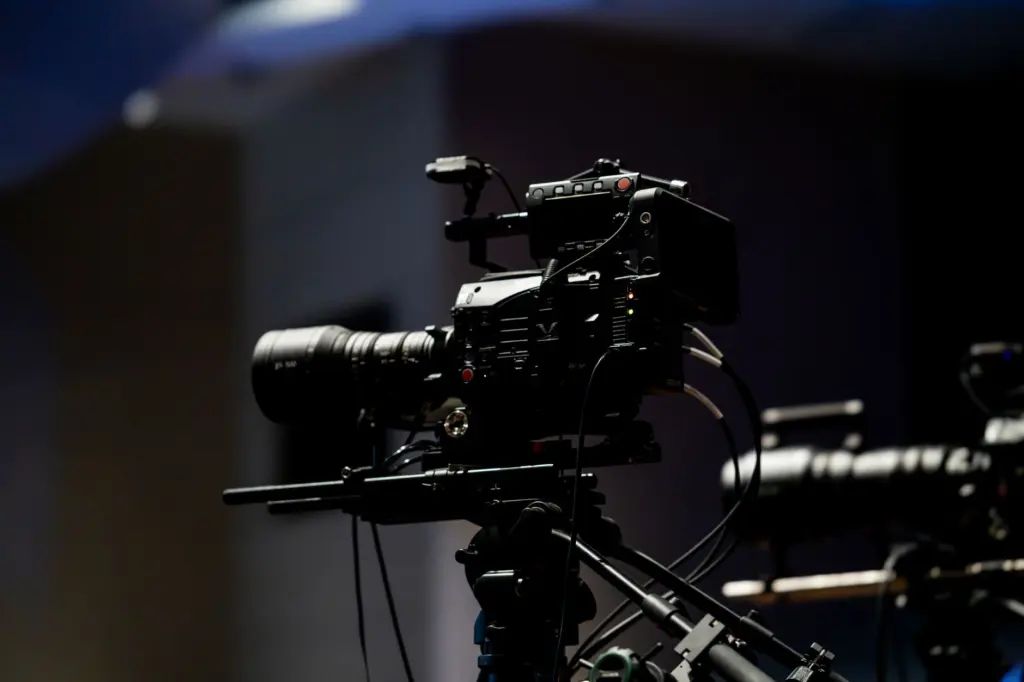
The practical lesson for a client is to ask who will physically operate the camera and who will decide the look. On a solo shoot they are the same person. On a bigger production they are not.
“Videography means video and cinematography means film”
The terms did start that way: a filmmaker worked with actual film and a videographer worked with video. According to the same source, the line between them became distorted with the advent of digital cinema, and whether any distinction exists now depends on how each organization uses the terms. So a job listing or a quote that says one word or the other is not enough to settle what you will receive.
Ask instead what the deliverable is, how many people are on the crew and who owns the creative decisions. Those three answers tell you more than the label does.
“Cinematography is just videography with better gear”
Gear is part of it, but the defining difference is the set of decisions. The cinematographer’s remit includes choice of lenses, composition, setting, arrangement, filters, camera movement and color grading. Color grading alone is a deep subject, and Color In Cinematography: How To Use Color To Shape Mood, Story, And Style (2026 Guide) shows how it shapes the finished look.
Expensive equipment in the hands of someone who is only recording an event is still videography in practice. A modest kit used with deliberate lenses, framing and lighting moves toward cinematography.
Equipment and workflow in practice
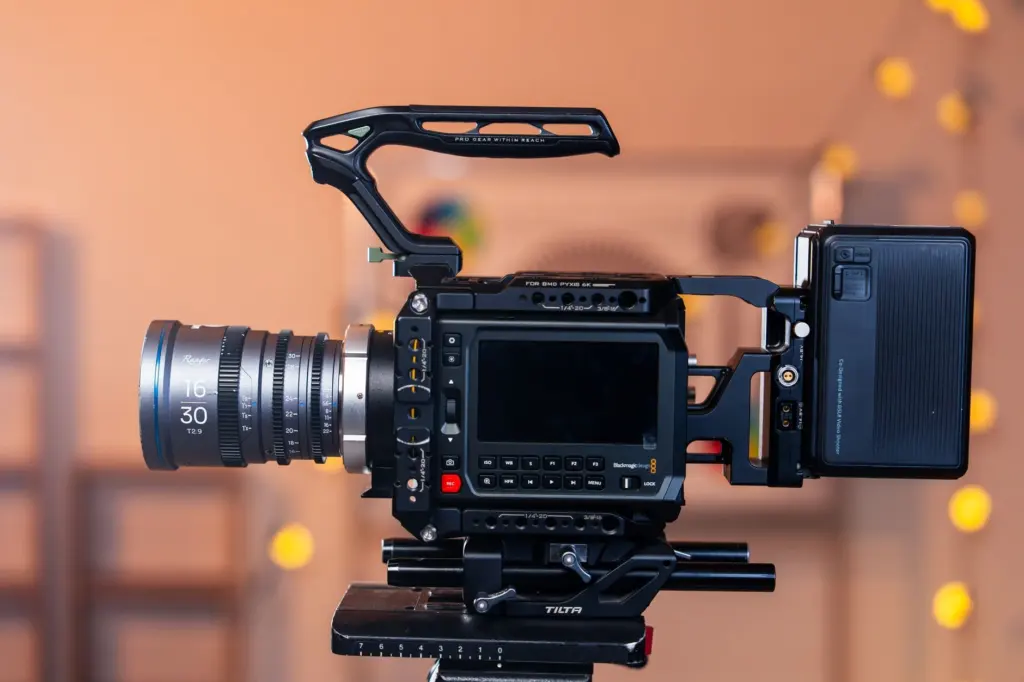
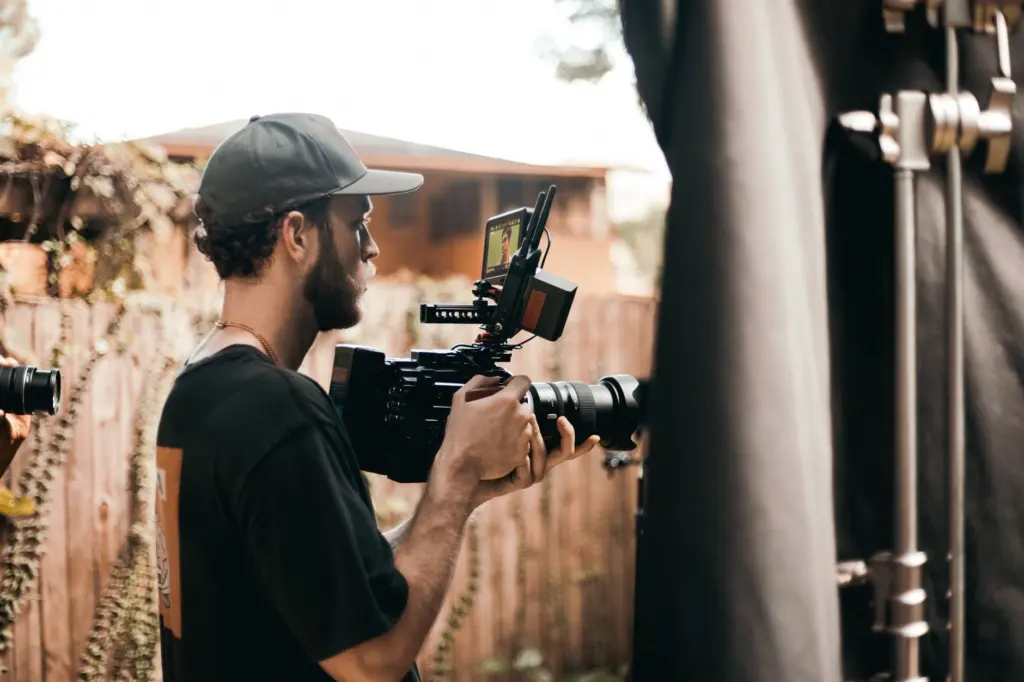
Wedding films are one place where the two approaches are sold side by side, so they show the workflow gap clearly. One wedding studio, One Story Weddings, describes videography as using standard video cameras with minimal, chronological editing. Its cinematic approach uses cinema-grade cameras, professional audio equipment and dynamic lighting, and it names the Sony FX6 and Canon C70 as examples of its own cinema cameras. Treat those as one vendor’s description, not an industry standard.
The workflow follows from the intent. Videography covers the whole day in order, so the edit is mostly assembly. Cinematography turns the day into creative storytelling, so the edit is a curated, narrative-driven film. More shaping means more time in post, which is why delivery times differ in the next section.
Choosing between them
Choosing for a project
Wedding packages make the trade-offs concrete. The figures below are what clients pay and receive from one studio’s packages, not what crews earn, so use them as a rough comparison of scope rather than a market price list.
| Factor | Videography package | Cinematography package | Planning use |
|---|---|---|---|
| Approach | Comprehensive documentation of the day | Creative, narrative-driven storytelling | Decide whether you want a record or a story |
| Deliverable length | 30 minutes to 2 hours of footage | 5-7 minute story film | Longer coverage suits archives, a short film suits rewatching |
| Delivery timeline | 4-6 weeks | 8-12 weeks | Book the cinematic option early if you have a deadline |
| Package price | $2,000-3,500 | $3,900-8,000+ | Budget for the extra shaping and gear |
These figures come from the packages listed by One Story Weddings.
The same studio frames who each suits:
- Choose videography if you want comprehensive documentation of every moment and prefer unembellished coverage.
- Choose cinematography if you want a polished, emotional keepsake you will rewatch frequently.
- Consider a hybrid if you want both. The studio describes modern cinematic videography as combining comprehensive coverage with creative storytelling of the day.
Outside weddings, the same logic holds. If the job is to record what happened with a small team and a tight turnaround, hire a videographer. If the work needs a deliberate look across scenes, with lenses, lighting and movement designed together, hire a cinematographer or DP.
Choosing for a career
Career direction follows what you want to do each day. Pick videography if you like operating the camera yourself and are comfortable working solo or with a small crew, because that is how the role is typically structured. Pick cinematography if you want to make the creative and technical decisions that serve a director’s vision, and accept that on a large team you will lead crews rather than hold the camera.
If you want to be near that work before you lead it, the camera operator role is a supported route: the operator works with the cinematographer and handles the camera on large teams. Many people also mix the two, shooting events or small jobs while building skill with lenses, lighting and composition on narrative work.
If narrative work is the goal, learn the script side too. The director’s vision begins on the page, and the Screenplay Format Example: A Simple, Ready-To-Use Guide For Writers (2026) is a practical way to see how a screenplay is laid out before you plan coverage for it.
Frequently asked questions
| Question | Answer |
|---|---|
| Can a videographer shoot cinematic footage? | Yes. Loveridge Digital points to DSLR video cameras as the kind of equipment that produces a more film-like, cinematic image. The look depends on the camera and on lens, framing and lighting choices. |
| Is a hybrid film a third option? | One wedding studio describes it that way, combining comprehensive coverage with creative storytelling. It suits clients who want a full record and a polished film from the same day. |
| Do all companies use the two terms differently? | No. Whether there is a distinction depends on how each organization uses the terms, so check the role, crew and deliverable rather than the label. |