Cool street art shows public creativity and local voice. It blends paint, paste, and craft into city walls. The guide maps styles, history, hotspots, and photo tips. Readers learn how to spot and respect great work.
Key Takeaways
- Cool street art captivates by blending bold ideas, skilled execution, and community relevance to create meaningful public expressions.
- The history of cool street art spans from 1960s graffiti tags to globally curated murals that combine DIY roots with professional commissions.
- Popular street art styles include large-scale murals using spray paint and brushes, requiring planning, permits, and teamwork for lasting impact.
- Top cities for cool street art today feature vibrant neighborhoods and festivals, with online platforms and local tours guiding enthusiasts to new works.
- Respectful appreciation and photography of street art involve seeking permission, avoiding damage, crediting artists, and following local rules to support ongoing creativity.
What Makes Street Art “Cool” Today
Cool street art draws attention through bold idea, strong execution, and public access. It mixes color, message, and site in a way that fits the place. Artists use scale, surprise, and humor to connect with passersby. Communities call work cool when it reflects local life or sparks dialogue. Critics call work cool when it shows skill and originality. Curators call work cool when it stands up to weather and time. Viewers call work cool when it makes them stop, point, or smile. In 2026, cool street art often mixes tech, craft, and clear point of view.
Beyond aesthetics, cool street art frequently engages with social or political themes, local histories, or neighborhood identity. Interactivity—such as optical illusions that invite photos, stencils that repeat an icon throughout a city, or murals that incorporate existing architecture—boosts a piece’s popularity. Collaboration between artists and residents or businesses can turn single works into catalysts for neighborhood pride and small-scale regeneration, making them feel less like visual noise and more like cultural assets.
Practical considerations also play into the perception of coolness: longevity (materials and protection against weather), site-appropriateness (does the work enhance rather than clash with surroundings?), and maintenance plans (who cares for the piece?) all affect whether a work is admired for years or removed quickly. Ultimately, cool street art balances novelty with context, skill with accessibility, and message with craft.
A Brief History: From Graffiti Subculture To Global Murals
Street art began as graffiti tags on trains and alleys in the 1960s and 1970s. Young writers marked space to claim identity and community. In the 1980s and 1990s, artists added color and characters to walls and legal spots. Cities started to commission murals in the 2000s. Festivals and galleries accepted street artists in the 2010s. Global murals grew in scale and ambition in the 2020s. By 2026, major cities host curated public art programs and private commissions. The shift moved many artists from illicit work to paid projects while keeping DIY roots alive.
Key turning points include the emergence of stencil work and paste-ups as quick, reproducible formats; the influence of hip-hop and punk subcultures that emphasized do-it-yourself creativity; and the rise of outdoor festivals and mural programs that professionalized mural-making. These changes expanded audiences and shifted some street artists into commission-based careers, while others retained underground practices and political critique. The result is a layered history where illicit tagging, sanctioned murals, and hybrid practices coexist in urban landscapes.
Popular Styles And Techniques
Street art shows many styles and techniques. Artists pick tools and methods that fit their concept and site. The sections below list common approaches and what they offer.
Murals, Spray Paint, And Large-Scale Works
Murals use large wall space to tell a clear story or show a striking image. Artists sketch, grid, and scale their designs before they paint. Spray paint offers fast coverage and gradient options. Brushes and rollers add fine edges and texture. Scaffolds and lifts let artists work high and wide. Teams often paint large murals faster and with cleaner lines. Murals last longer with proper priming and sealant. Cities often require permits for very large works.
Mural practice can involve research into site history, color testing on small panels, and community consultations to ensure the image resonates locally. Many muralists combine hand-painted segments with wheatpaste posters, tile installations, or mixed-media elements like metalwork to add depth. Conservation-minded artists choose UV-protective varnishes and anti-graffiti coatings to protect a mural’s appearance over time.
Stencils, Paste-ups, And Rapid-Response Work
Stencils let artists reproduce precise images quickly, enabling complex, repeatable graphics in public spaces. Paste-ups (printed or hand-drawn posters affixed with wheat paste) allow for detailed imagery without long on-site painting sessions. Both methods are common for street artists who favor mobility and fast execution, and they often spread visual motifs across neighborhoods.
Because these techniques can be executed quickly, they have been a tool for political messaging and timely commentary. However, rapid-response work is more vulnerable to removal, so artists using these approaches often document work immediately and share locations online to reach audiences before pieces disappear.
Sticker Art, Yarn, And Unexpected Materials
Not all street art relies on paint. Stickers, yarn-bombing, tile mosaics, and sculpture bring variety to public surfaces. These approaches can humanize a space or introduce playfulness—yarn installations soften metal railings and tiny ceramic pieces tucked into niches reward observant walkers. The diversity of materials keeps cool street art fresh and invites new kinds of interaction.
Where To Find The Best Street Art — Cities, Neighborhoods, And Online Resources
Cities like Berlin, London, São Paulo, and New York still host top street art. New hotspots in 2026 include Lisbon, Cape Town, and Detroit. Neighborhoods with active small businesses and high foot traffic often show more murals. Look for alleys, market districts, and train corridors. Festivals and mural programs list artists and locations on city websites. Social platforms like Instagram and mapping apps show recent works. Local blogs and walking tours offer curated routes and context. Artists often post work-in-progress photos that help viewers find new pieces.
To find cool street art in your area or while traveling: – Start with neighborhood walking tours and local arts councils, which often maintain maps of sanctioned works. – Follow artists and mural programs on social media for pop-up projects and openings. – Use community forums and local blogs to learn about lesser-known alleys and temporary installations. – Visit markets, rail underpasses, and cultural districts where street art is concentrated.
Remember that the best discoveries are sometimes accidental: allow time to wander on foot, look up and down side streets, and revisit places at different times of day to see how light and activity change the experience of a piece.
How To Photograph And Appreciate Street Art Respectfully
Photographers should respect the artist and the site. They should ask permission when owners or artists appear nearby. They should avoid touching or leaning on fresh paint. They should use natural light or simple fills to keep colors true. Photographers should credit the artist when they post images. Viewers should follow local rules and private property signs. They should not remove or deface work. They should report damage or illegal removal to community groups when appropriate. Respect helps artists keep creating and keeps cool street art visible to everyone.
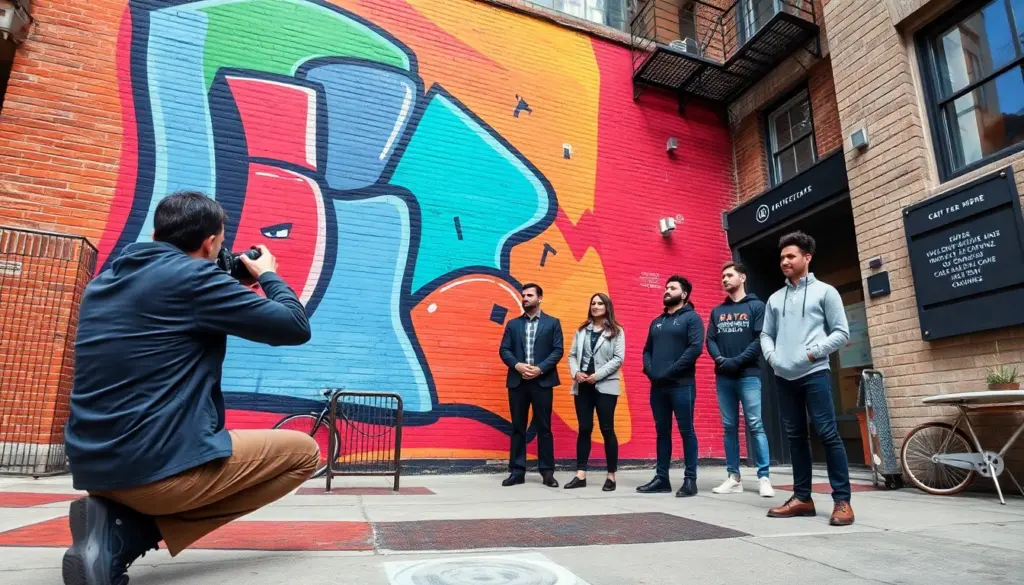
Practical photography tips for capturing cool street art: – Scout the site for the best vantage points; wide-angle lenses often capture full murals, while mid-range lenses highlight details. – Photograph at golden hour for softer light and richer color; overcast days can reduce harsh shadows and preserve color saturation. – Include context—people, storefronts, or nearby architecture—to show scale and the relationship between the work and its environment. – When taking portraits with murals, be mindful of other viewers and avoid blocking pedestrian routes.
When engaging with artists or communities: introduce yourself, explain how you plan to use images, offer credit and links when possible, and consider donating to community mural funds or artist tip jars if you can. By combining careful photography with thoughtful engagement, enthusiasts help maintain the ecosystem that makes cool street art possible.